
Enlightening reflections in Marrakech
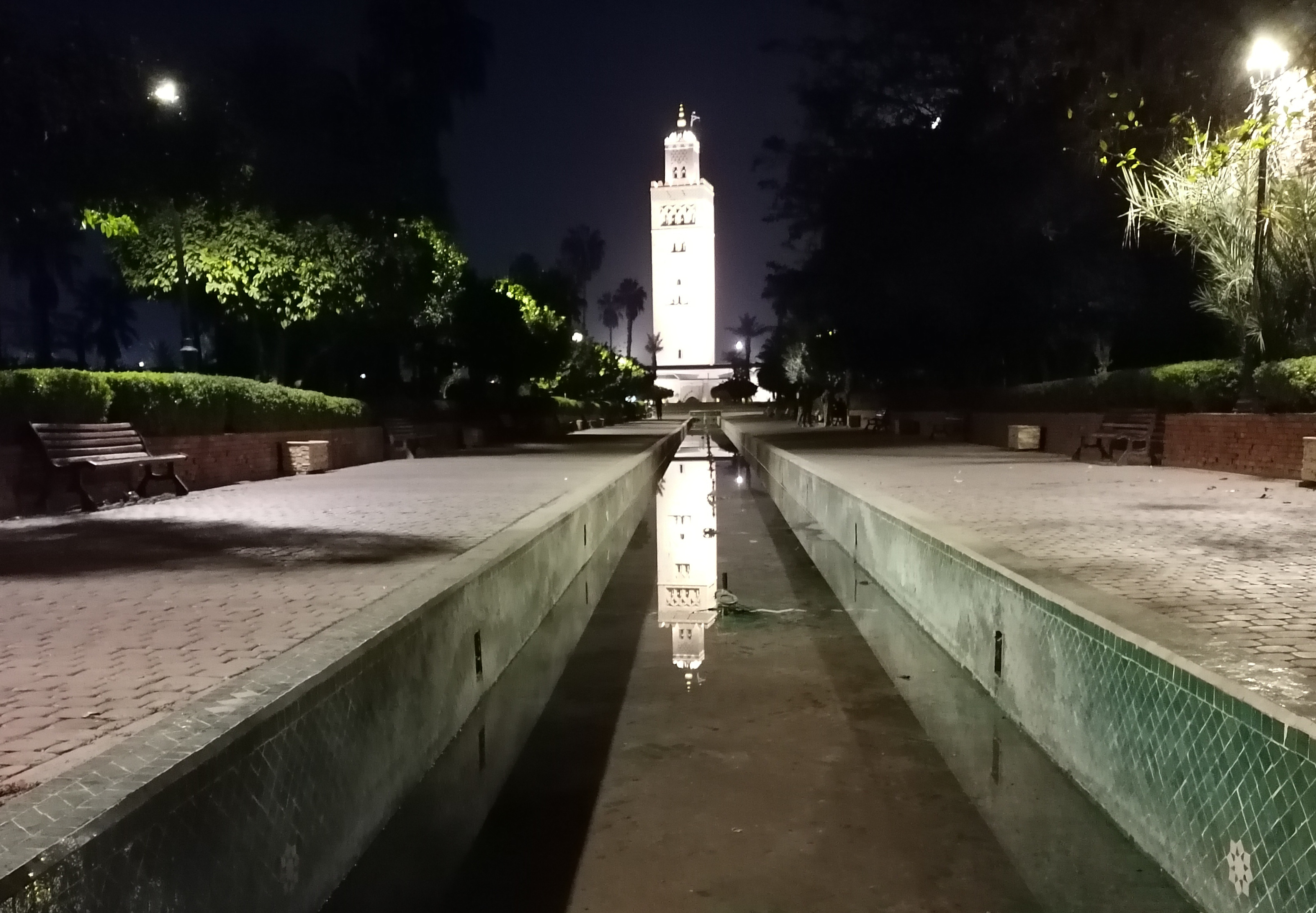
Figure 1: The Kutubiyya Mosque as an enlightening reflection
The policemen were as bored as I was after half an hour in line for passport control, where the ennui was only broken by the occasional passing cat. My occupation? Since I was going to an academic conference, I opted for researcher. “Chercheur,” I added helpfully, and the policeman asked, deadpan: “Have you found it yet?”
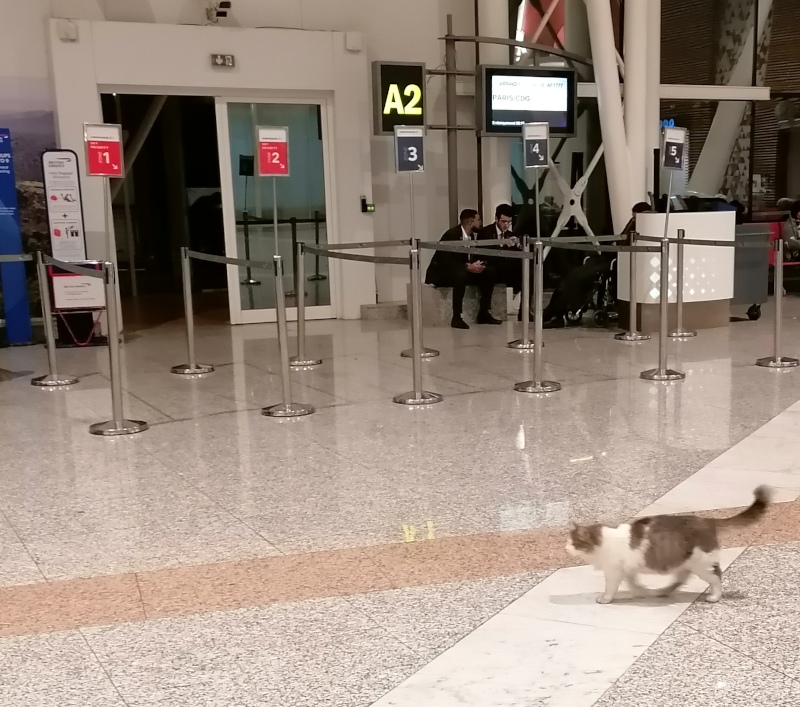
Figure 2: Airport cat. Cats roam Marrakech airport at will, slipping casually through passport control and customs, and loitering with intent near the departure gates. The guards ignore the cats. The cats ignore everyone. This is as it should be. Other airports, please take note.
’Twas the week before Christmas, and I was in Marrakech for a workshop on Islam and the rights of the child, which I was helping organize with the Oslo Coalition on Freedom of Religion or Belief. It was a good one, thanks to Lena’s and Aïcha’s groundwork, Julie’s travel arrangements, Nadira’s interpretation, Kecia’s time-keeping, the Kenzi Farah’s facilities, and the fascinating presentations and spirited interventions by everyone else.
So, did we “find it”? Hopefully, since this was the final lap of a four-workshop series, started in 2021, on the rights of the child. That series in turn is the fourth iteration of the Oslo Coalition’s New Directions in Islamic Thought project, which has previously looked at Islamic reformism and human rights generally, gender in Muslim family law, and freedom of expression and religion (see our previous books). There will be a book from this project too, about which more anon.
We have gradually narrowed the scope to one framing question, the construction of childhood and the child, and two pressing social problems: early marriage, and the discrimination of children born out of wedlock. These problems involve family laws rooted in Islamic legal norms and moral views, but there are differences as well as similarities across Muslim societies, driven by complex interactions with local cultural arrangements, socio-economic factors, colonial legislation, secularization, nationalism, the bureaucratic practices of the nation-state, the globalization of conservative family ideology, and international human rights standards, with similarities and differences across Muslim societies. In Marrakech we heard scholars and practitioners from Indonesia, Lebanon, Morocco, Nigeria, Norway, and the UK, with cases also covering Iraq, Kuwait, and Syria. Their data and reflections certainly shed more light on the issues.
After more than a year of Western complacency and complicity in the genocide of Gaza’s children, it’s a particularly awkward time for a Westerner to go to an Arabic-speaking country to talk about the role of Islam in children’s rights problems. I would not have had the effrontery to do so with any other project than New Directions, which focuses on finding resources within the Islamic tradition to solve pressing issues raised by Muslims themselves. Including the plight of child brides and “illegitimate” children.
Just a few days after our meeting, the Cabinet of Morocco announced a session on the reform of the Moroccan Family Code, aka the Mudawwana, after the High Council of ʿUlamāʾ (religious scholars) had weighed in on the proposals of a royal commission. Not prompted by our meeting, of course. Rather, when we planned to meet in Morocco, it was partly because we thought the reform would already be a done deal by that time, and we could benefit from hearing our Moroccan colleagues analyse it. That analysis will have to wait, but briefly: The reform of the Mudawwana promulgated in 2004 took important steps toward gender equality, but left gaps and questions over implementation. I’ve been told that the 2024 one looks to be neither fish nor fowl: as matters stand, it may cautiously break new ground on some issues, expanding custody rights for divorced mothers and exempting family homes from the scope of taʿṣīb inheritance, but may stop short of some remedies advocated in our workshop, such as using DNA evidence to assign paternity outside of marriage.
taʿṣib: in Sunnī inheritance law, the assignment of the residual share to certain relatives in the male line (ʿaṣaba) if the fixed shares do not amount to the whole estate. If, for instance, a man dies leaving a wife (1/8 share) and daughters (2/3), but no son, then e.g. a brother, uncle, or cousin of the deceased gets the remaining 5/24 share in the estate. Without touching the religious law as such, the proposal to exclude the domicile from the estate thus addresses Pride and Prejudice-esque scenarios where the wife and daughters might have to share or leave their home because some cousin turns up with a claim. But women’s rights activists have long called for the whole principle to be scrapped.
Brief impressions from Marrakech
This was my first visit to Marrakech, and even to Morocco. I was there to sit in meetings and take minutes, but I did get a chance to walk around a bit. I even put in a brief stint as a copy-shop apprentice to help get papers photocopied in time, learning how to staple Arabic-language documents (upper right corner, of course, but muscle memory disagrees). But mostly I walked the easy route from the hotel to the inner city past the 12th-century Kutubiyya (Booksellers’) Mosque, navigating by its landmark minaret.
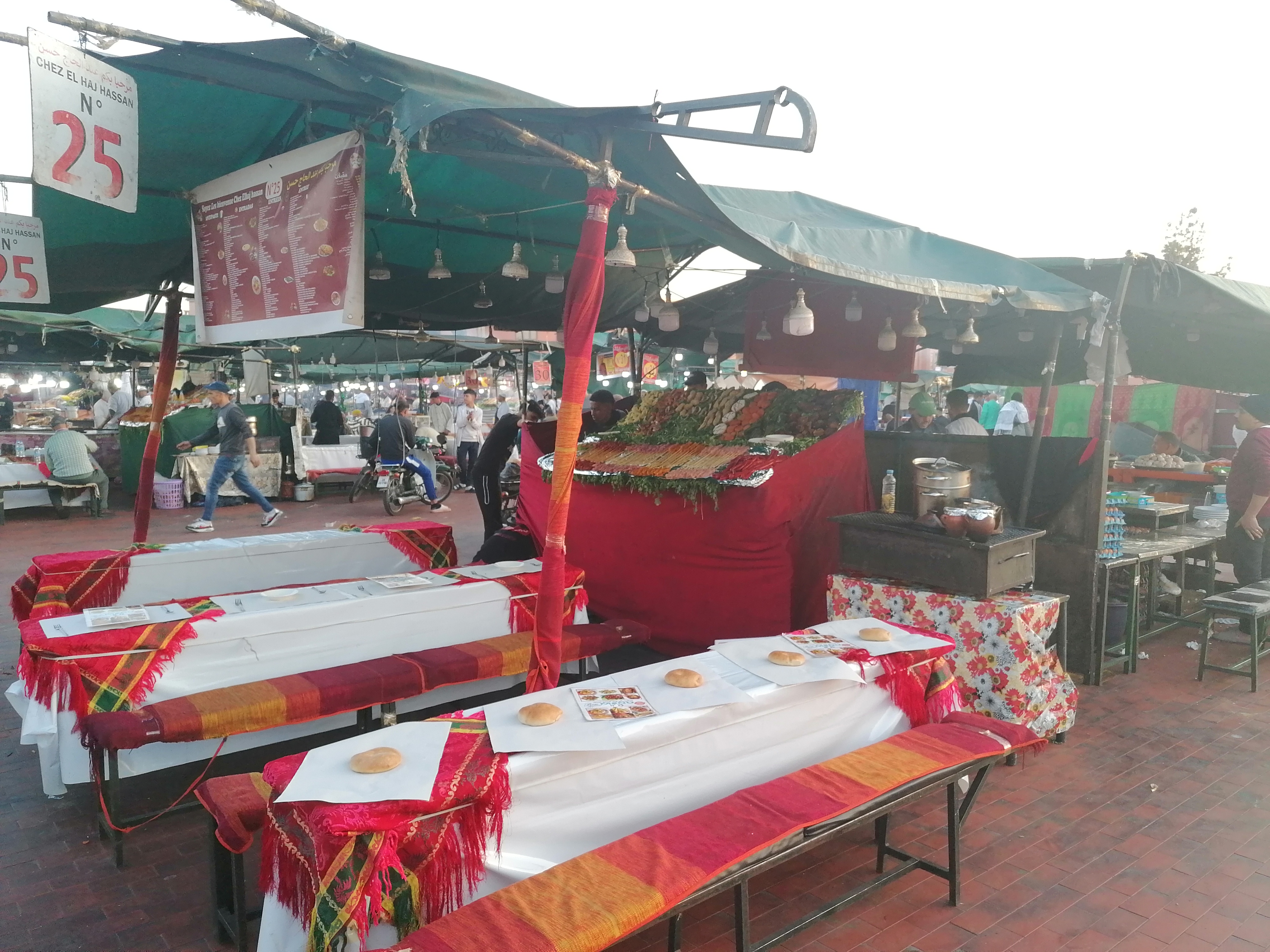
Figure 3: Marrakech street food
My favorite part of the walk was the large plaza by the souk. There was a bustling open-air food court with beautifully presented street food in the afternoons. But late in the evening, after everything but the fruit stalls had closed up, it was still full of people just hanging out; I counted five or six drumming circles going at it simultaneously. After some dutiful, if perfunctory, haggling (an activity I rate just above gnawing my own leg off), I even came away with some odds and ends from the souk, including a wood carving of the Owlet that I just couldn’t resist.
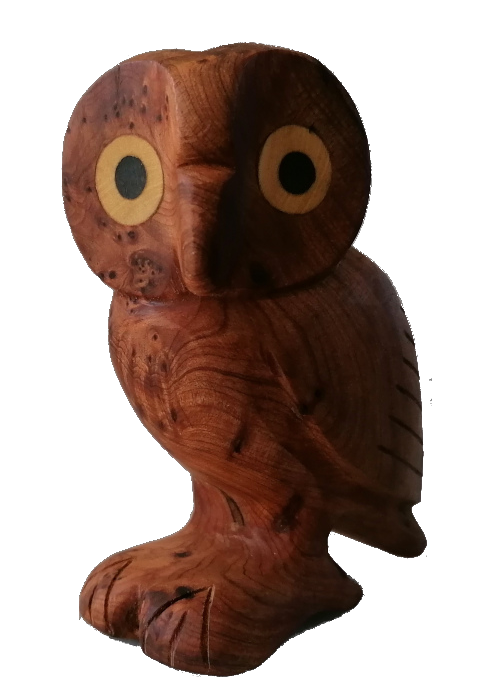
Figure 4: The Owlet of Minerva, Moroccan woodworker’s edition
To continue this blog’s burgeoning tradition of posting Muslim mausoleums, here is the kubba of Lalla Zohra (or Zahra): a female saint by day, she may or may not have fluttered through the streets of Marrakech as a dove by night. Apparently, she is also remembered for being imprisoned for disobeying the Sultan, who wanted her for his harem. A learned, pious, and feisty woman who took no guff from the patriarchal powers-that-be, she would have blended in well in our workshop.
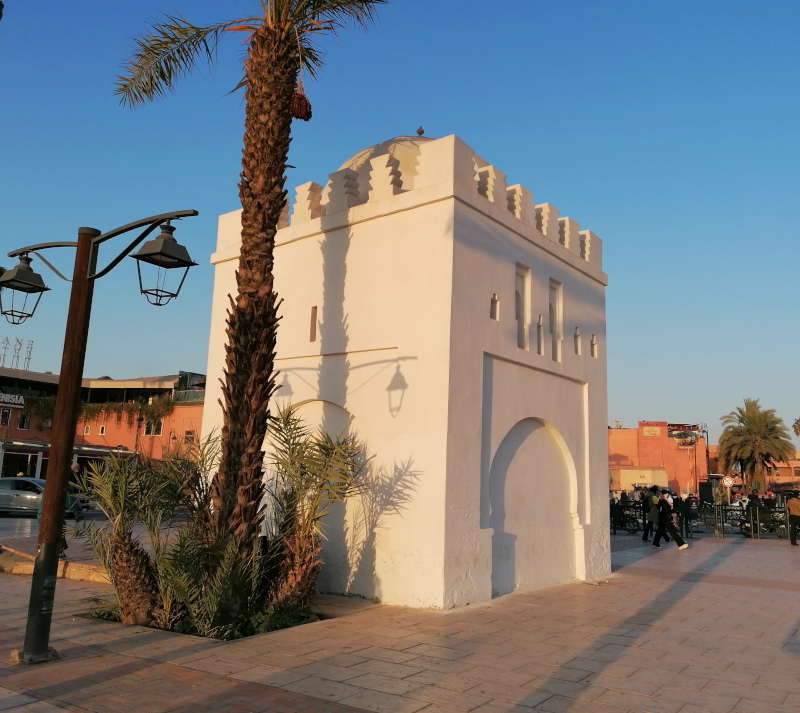
Figure 5: The kubba of Lalla Zahra beside the Kutubiyya Mosque.